What Happens Often Matters Most
Everyday life rarely changes overnight. For most of us, it is not one big decision or one perfect solution that shapes our days.
More often, it is the small choices that make the difference. How we spend the time between work and home. What we say yes to, and what we leave for later. Small choices can make a big difference in everyday life.
Many of these decisions happen almost without us noticing. Yet they gradually shape the rhythm of our days, weeks and years.
That is why everyday life is rarely about finding the perfect solution. It is often about finding what works in practice.

Many people look for big changes when they want life to feel different. In reality, everyday life is usually built through small decisions that repeat day after day.
How we spend our evenings. What we make time for. Which habits stay with us, and which ones quietly disappear. These choices may seem small on their own, but together they shape daily life.
Small choices can make a big difference in everyday life.
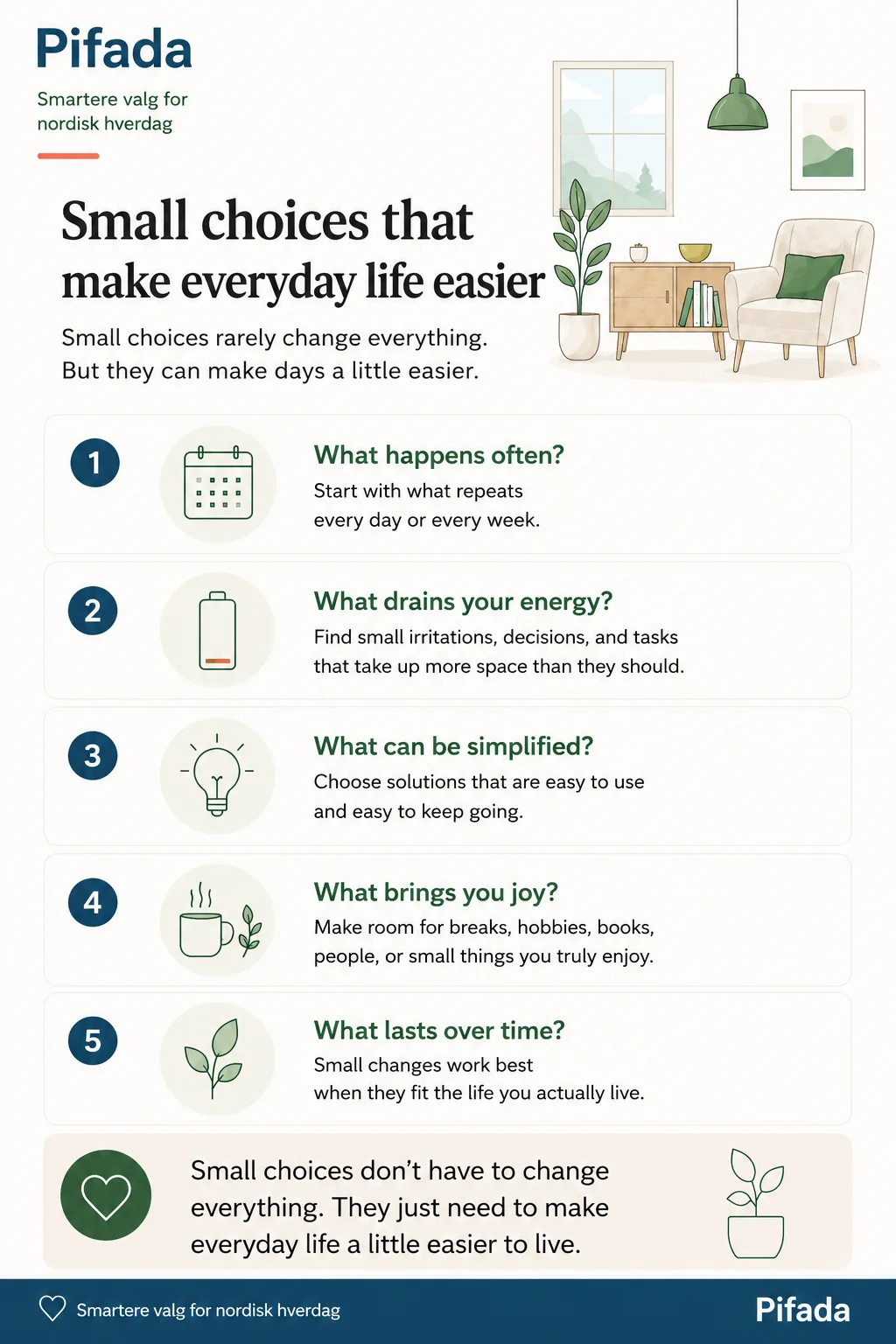
What Happens Often Matters Most
We tend to remember the major events in life. Moving to a new country, starting a new job, beginning university or becoming a parent can change a lot in a short period of time.
But most of life happens between those milestones. It happens during ordinary mornings, busy weeks and quiet evenings. It happens in the routines and small decisions that return again and again.
SIFO researches consumption, habits and everyday life. Their work highlights something many of us already recognise: small choices rarely happen only once. They become patterns, and those patterns gradually shape how daily life feels.
That may be why small changes often have a bigger impact than we expect. Not because they change everything, but because they become part of everyday life.

When Everyday Life Feels More Complicated Than It Needs to Be
It rarely starts with something big. An extra app. A subscription you planned to try for one month. A small task that gets pushed to later.
Then, little by little, there is simply more to keep track of. More choices. More notifications. More things asking for attention just when you were about to move on with your day.
The problem is not always a lack of time. Sometimes life has simply become more complicated than it needs to be.
In those situations, doing more is not always the answer. Sometimes it helps to remove a few things instead. Unused subscriptions, forgotten commitments, unfinished plans or small responsibilities that continue taking up space in the background.
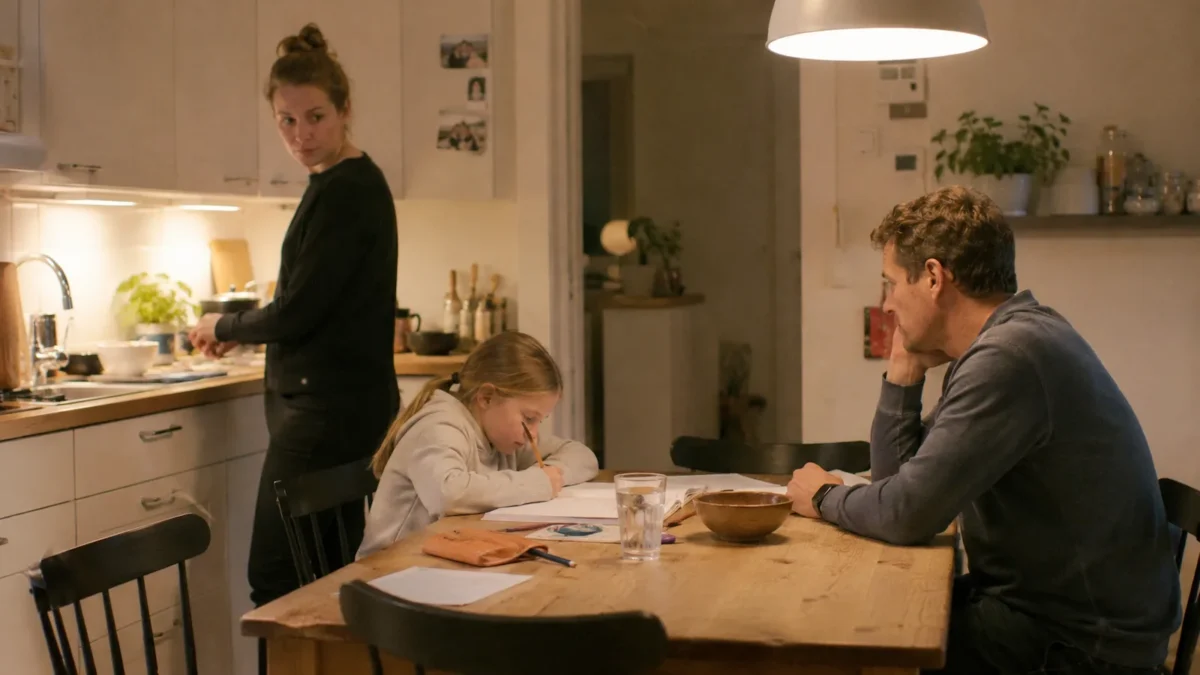
It's Not Only About Saving Time
A lot of advice about everyday life focuses on getting more done. Being more productive. Making better use of every hour.
But most people do not necessarily need more things to fit into their day. Quite often, what helps is having fewer things competing for attention at the same time.
Some days feel easier not because we saved an extra hour, but because there was less rushing, fewer interruptions and more room to breathe between one thing and the next.
Statistics from Statistics Norway (SSB) show how people spend their time on work, household responsibilities, leisure and social life. Yet a good everyday life is not only about time itself. It is also about how that time feels.
That is why a simpler everyday life is not only about freeing up minutes. It can also mean having more energy, more peace of mind and more space for the people, interests and activities that matter to you.

The Small Things That Make Days Better
A large part of everyday life is made up of things that need to be done. Work, studies, shopping, laundry and all the small tasks that keep returning.
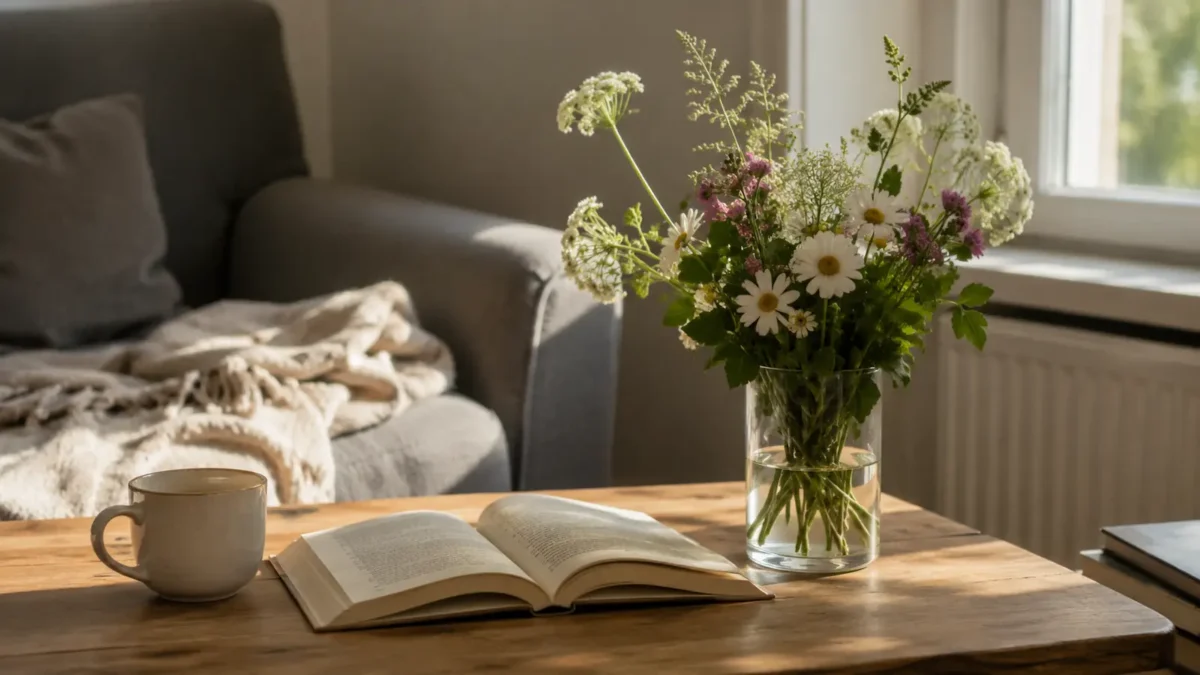
But a good life is not built only around responsibilities. It is also built around things you look forward to. A book waiting on the bedside table. A hobby you keep coming back to. A walk with your dog. Fresh flowers in the kitchen. A message from someone you care about.
Each of these things may seem small on its own. Yet they are often the moments we remember when we look back on an ordinary week. Not everything that was on the to-do list, but the moments that made the days feel a little brighter.
Everyday pleasures do not need to be expensive or impressive. More often, they come from making room for interests, people and small experiences that make life feel a little more personal.

Everyday Life Looks Different for Everyone
There is no single formula for a good everyday life. What works well for one person may not work for someone else. Life circumstances, responsibilities, interests and priorities change over time.
A simpler everyday life can therefore look very different from one person to another. Still, most people share a similar goal: a little more clarity, a little less stress and more room for the things that matter.
For Families
Family life often revolves around coordination. School runs, activities, meals, schedules and all the small things that need to fit into the same day. In these situations, simple solutions that make daily life run more smoothly can be just as valuable as bigger changes.
For Students
For many students, everyday life is a balance between studies, work, finances and social life. Practical routines and simple habits can make daily life feel more manageable without turning everything into a detailed plan.

For People Living Alone
Living alone comes with a great deal of freedom. At the same time, every small and large responsibility lands on one person. Many people appreciate solutions that make everyday life easier without making it more complicated.
For People Working From Home
When work and home share the same space, the boundaries between them can easily become blurred. Small routines that separate the workday from personal time can make it easier to switch off when the day is done.
What Actually Makes Everyday Life Easier?
A simpler everyday life is rarely about doing more. It is often about making the important things a little easier.
That might mean having fewer decisions to make when you are already tired. Better visibility of the things you need to remember. Or solutions that work without needing constant attention.
Some of the most useful improvements come from removing small frustrations. Things that always take a little longer than they should. Tasks that are easy to forget. Decisions that keep coming back even though the answer is usually the same.
When there is less friction in everyday life, there is more room for everything else. A meal with people you enjoy spending time with. A quiet evening. A hobby, a walk, a good book or simply the feeling of not constantly trying to catch up.
Common Mistakes When Trying to Improve Everyday Life
Most of us have tried to make everyday life a little easier. Sometimes it works. Other times it simply becomes one more thing to manage.
Trying to Change Everything at Once
It is easy to feel inspired and want to improve everything at the same time. New routines, new plans and new habits. The challenge is that large changes often require more energy than an ordinary week allows.

Copying Someone Else's Solution
What works well for a friend, neighbour or someone online may not fit your life at all. Everyday life looks different for everyone, and the same is true for the solutions people choose.
Chasing the Perfect Routine
Even the best routine eventually meets real life. Holidays, busy periods, illness, family commitments and unexpected changes happen sooner or later. Something that works well most of the time is often more useful than something that needs to be perfect.
Forgetting What Already Works
Sometimes we spend so much time looking for new solutions that we overlook the things that are already helping. Small habits, familiar routines and practical shortcuts are easy to take for granted.
A better everyday life is rarely about perfection. More often, it is about finding what works well enough and fits the life you actually live.
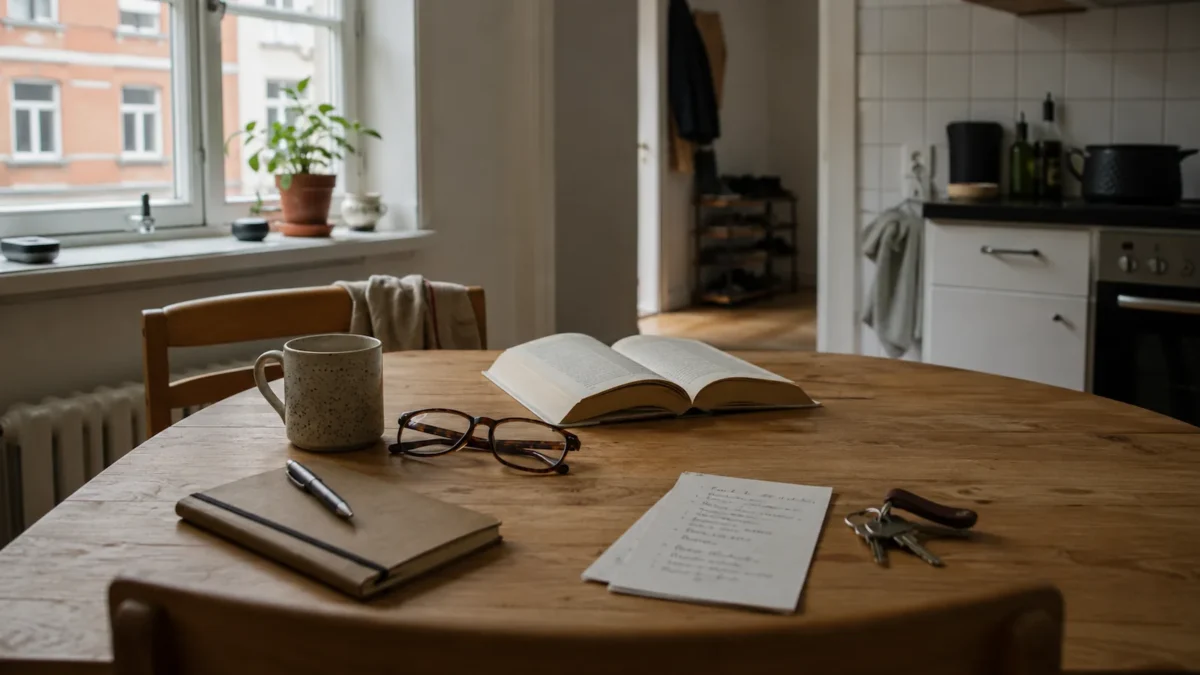
This Is How We Think About It
There is no single approach that works for everyone. Everyday life looks different depending on who you are, how you live and what your days are filled with. Still, there are a few simple principles we keep coming back to.
Start With What Happens Often
The things that happen every day usually have a greater impact than the things that happen once in a while. Small improvements tend to matter more when they become part of a regular routine.
Remove Small Frustrations First
If something creates unnecessary friction again and again, it is often a better place to start than a large project or a major life change.
Simplify Before You Optimise
A solution that is easy to live with usually works better than one that requires constant attention and effort.
Make Room for Things You Enjoy
A good everyday life is not built only around responsibilities. It should also include interests, relationships and small things that make the days more enjoyable.
Choose Changes That Last
Small improvements that remain part of daily life are usually more valuable than dramatic changes that disappear after a few weeks.
Big changes can be important. But more often, it is the small choices that shape our days.
How We Evaluated This Guide
This guide is based on research, everyday experience and sources that explore how people organise their time, routines and daily decisions. The goal is not to find one perfect solution, but to understand what often makes everyday life easier in practice.
This is not a product guide. It is not a self-help article, and it is not a productivity system. We believe that a good everyday life looks different for different people, and that there is rarely one solution that works for everyone.
When covering topics related to everyday life, we place particular emphasis on simplicity, practical value, everyday usefulness, time demands and quality of life.
You can learn more about how we research, evaluate and create content on our page How Pifada Evaluates Products and Services.
Frequently Asked Questions
What does Everyday Life mean on Pifada?
At Pifada, Everyday Life is about everything that happens between work, home and free time. It covers small decisions, habits, interests and routines that shape daily life, whether they are practical or simply enjoyable.
How can I make everyday life easier?
For many people, it is not about doing more. It is about dealing with fewer things at the same time. Small changes that improve clarity or remove unnecessary stress often have a bigger impact than large plans.
Do I need to be more productive to have a better everyday life?
No. A better everyday life is not necessarily about getting more done. Many people find that more calm, fewer interruptions and better balance matter more than squeezing extra tasks into the day.
How do I find time for hobbies?
Hobbies do not always require large blocks of free time. Many interests fit naturally into quiet evenings, short breaks or parts of the weekend. Often, the most important step is simply making room for them.
How can I create better balance in everyday life?
Balance looks different for everyone. For some people it means spending more time with family. For others it means rest, hobbies or being able to disconnect after work. There is no single solution that works for everyone.
What are some small changes that can make a big difference?
It could be removing a recurring frustration, simplifying a routine or making more room for something you genuinely enjoy. Small changes are often easier to maintain, which is why they tend to last.
How can I stop everyday life from feeling overloaded?
It often helps to look at what is actually competing for your attention during a normal week. Sometimes the challenge is not a lack of time, but too many small things demanding attention at the same time.
Sources and Further Reading
This guide is based on research, public statistics, consumer guidance and practical observations about everyday life in Norway. These sources provide useful background on habits, time use, consumer decisions and quality of life.
- SIFO / OsloMet — research on consumer behaviour, households, habits and everyday decision-making.
- Statistics Norway (SSB): Time Use Survey — data on how people spend time on work, household tasks, leisure activities and social life.
- The Norwegian Consumer Council — practical guidance on subscriptions, consumer choices and everyday spending.
- Norwegian Institute of Public Health (FHI) — information about wellbeing, quality of life and factors that influence daily life.